Taste of the Bay:
Event Coverage & Storytelling
Type: Event Coverage, Content Creation, Environmental Design, Photography, Editorial Design
Role: Communications & Graphic Design Intern
Solo/Team: Team Collaboration (Independent Content Creation within Marketing Team)
Timeframe: Summer 2025
Tools: DSLR Camera (Canon EOS 6D Mark II), Adobe, WordPress, Google Docs, Canva
Save The Bay - Taste of the Bay Event
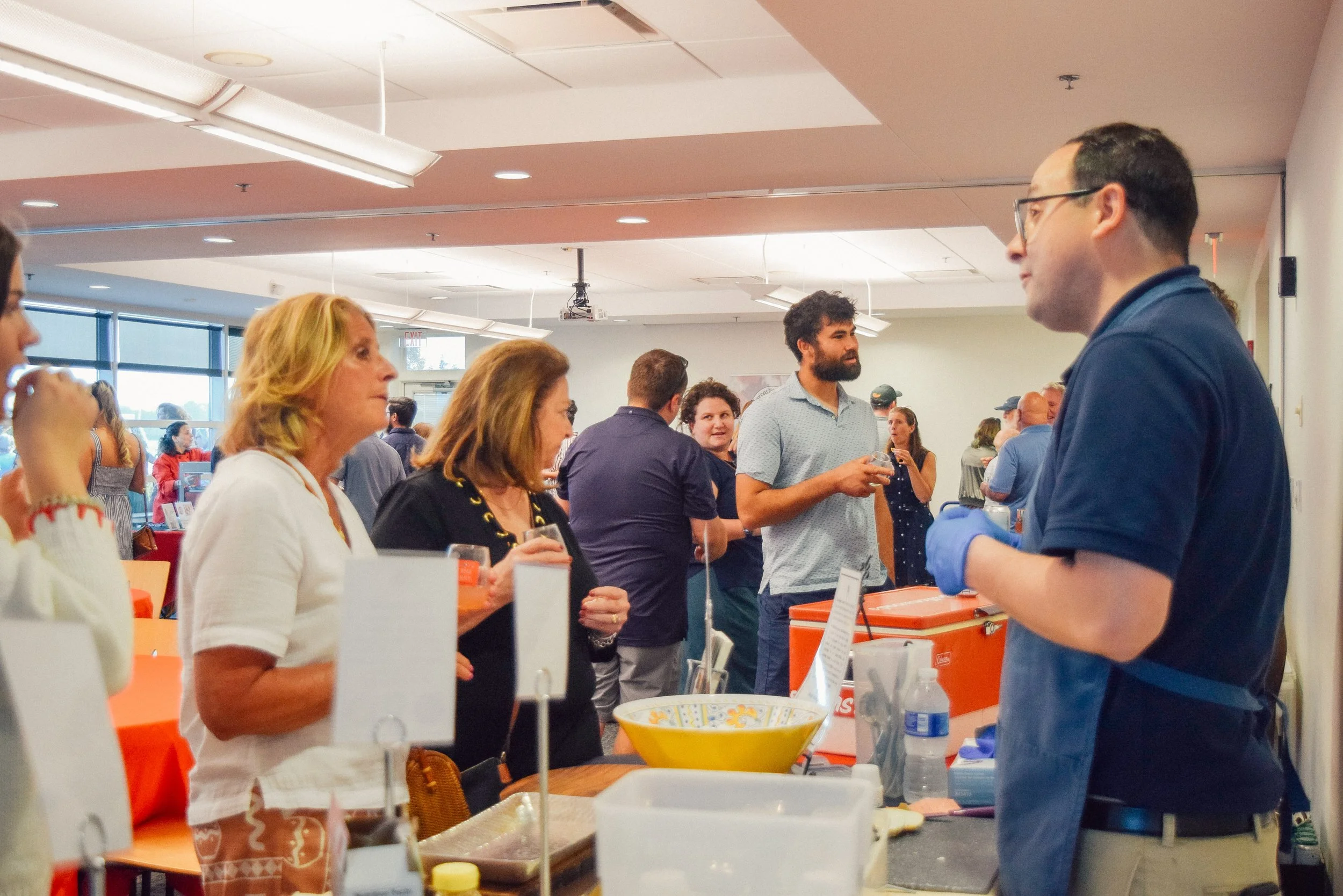
As a Communications and Graphic Design Intern for Save The Bay, I had the opportunity to contribute to their annual Taste of the Bay event, a community-centered experience that brings together local businesses, supporters, and advocates for Narragansett Bay.
This project focused on capturing and communicating the energy of the event through multiple formats, including photography, interviews, and editorial writing. Rather than just documenting the event, my goal was to translate the experience into content that could both reflect the atmosphere of the night and promote future attendance.
Through this work, I helped showcase not just the event itself, but the broader mission of Save The Bay, highlighting community, local partnerships, and environmental appreciation.
The Problem
While Taste of the Bay is a well-loved event, much of its value lies in the experience, the atmosphere, the conversations, and the connection to the bay, which can be difficult to communicate to people who haven’t attended before.
The challenge was finding a way to capture and translate that experience into content that felt engaging, authentic, and informative.
Key challenges included:
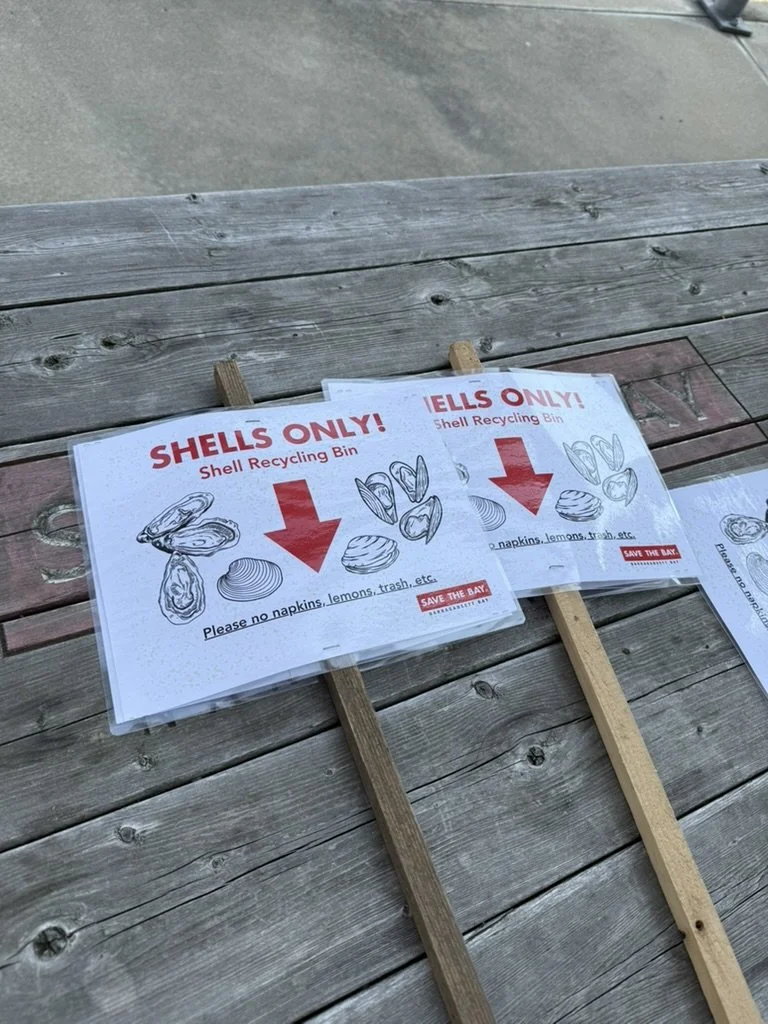
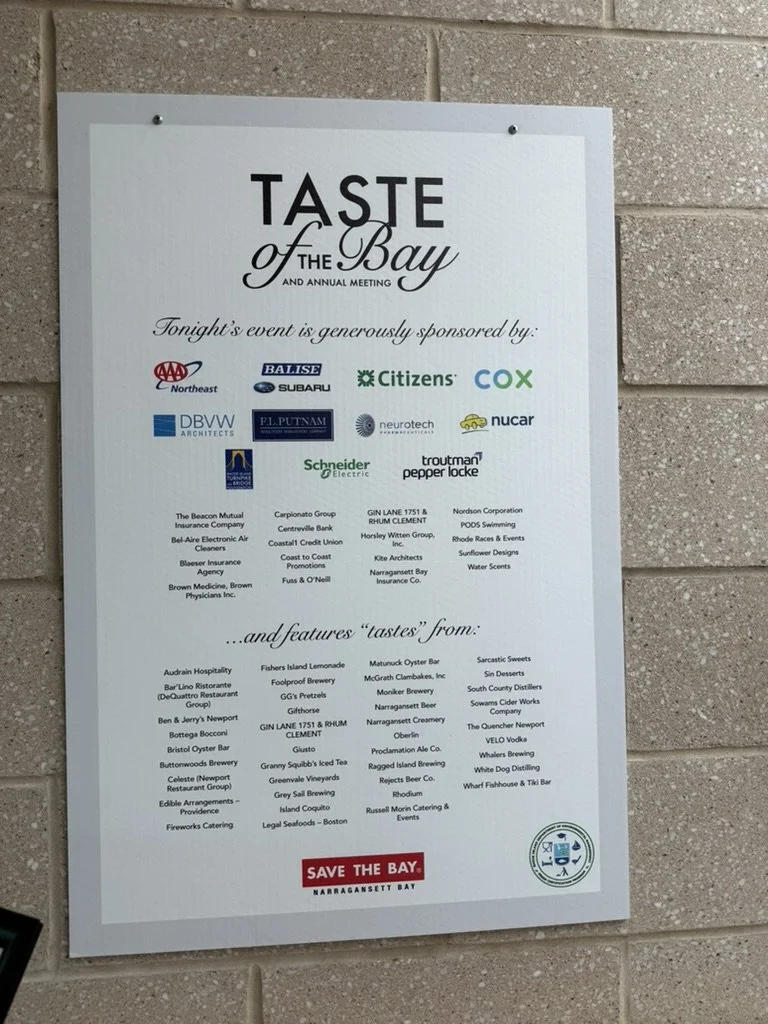
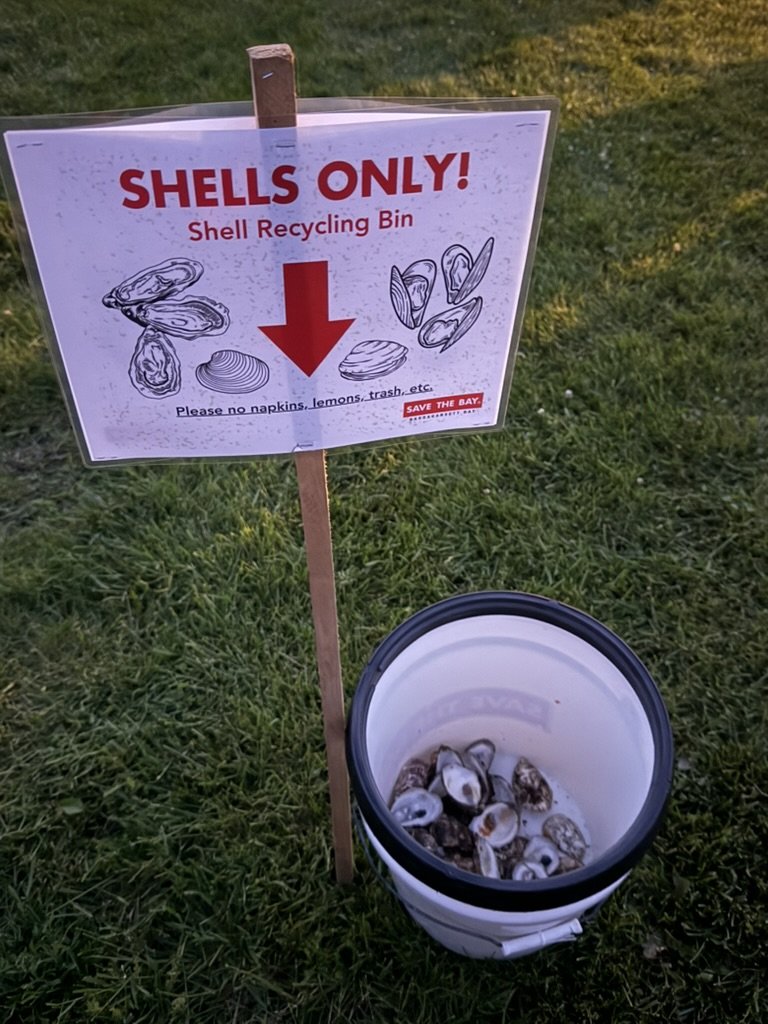
Designing signage that was clear, functional, and cohesive within the event environment
Capturing a live event environment in a way that feels dynamic and immersive
Translating in-person experiences into compelling written and visual content
Representing multiple vendors and voices within one cohesive narrative
Creating content that could be used for both reflection and future promotion
My Approach
I approached this project as a combination of event documentation and storytelling, focusing on both visuals and narrative to fully capture the experience.
Instead of treating each deliverable separately, I thought about how photography, interviews, and writing could work together to create a more complete and engaging story.
My approach included:
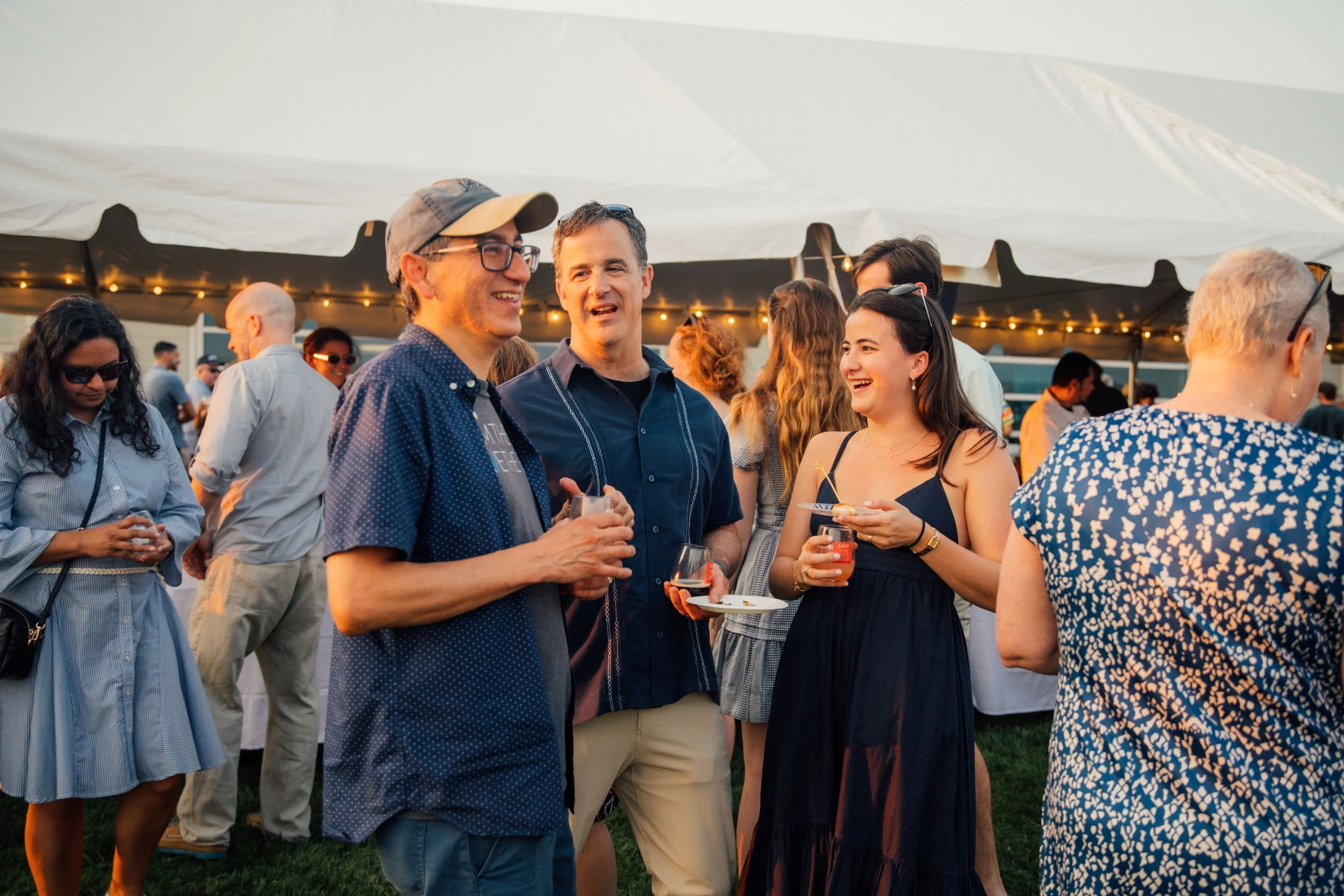
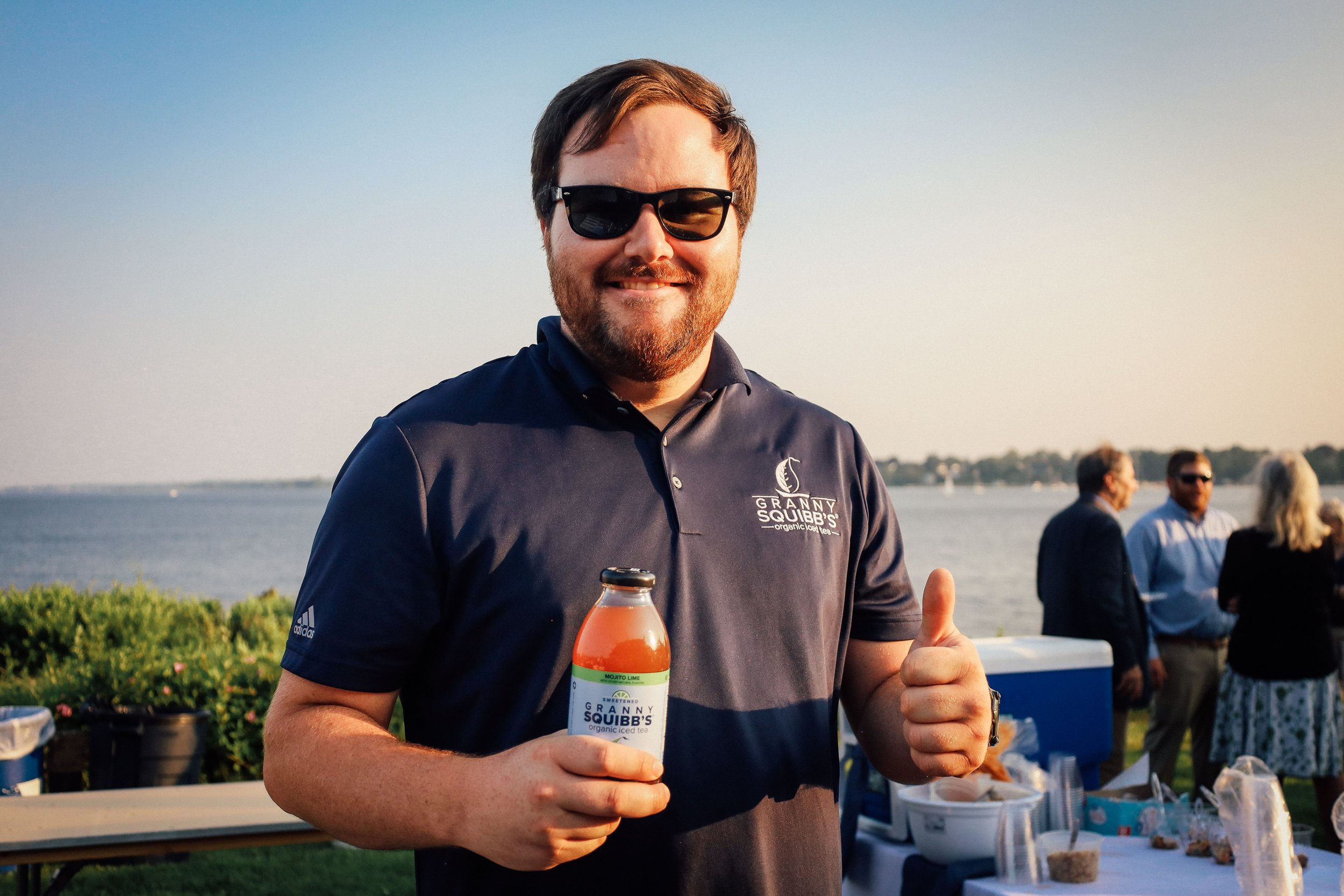
Photographing both key moments and candid interactions throughout the event
Conducting interviews with local vendors to highlight their perspectives
Writing a blog post from a first-time attendee perspective to make the event feel accessible
Focusing on storytelling rather than just documentation
By combining these elements, I was able to create content that not only showed what the event looked like, but also what it felt like to be there to get people to have a desire to come next year, as we haven’t documented this event much previously to spread the word.
Development Process
The project took place during and after the event, requiring real-time documentation followed by content development and refinement.
Signage Design (Pre-Event)
Before the event, I designed several key pieces of signage to support both functionality and guest awareness throughout the space. This included:Sponsor signage to highlight and recognize participating businesses
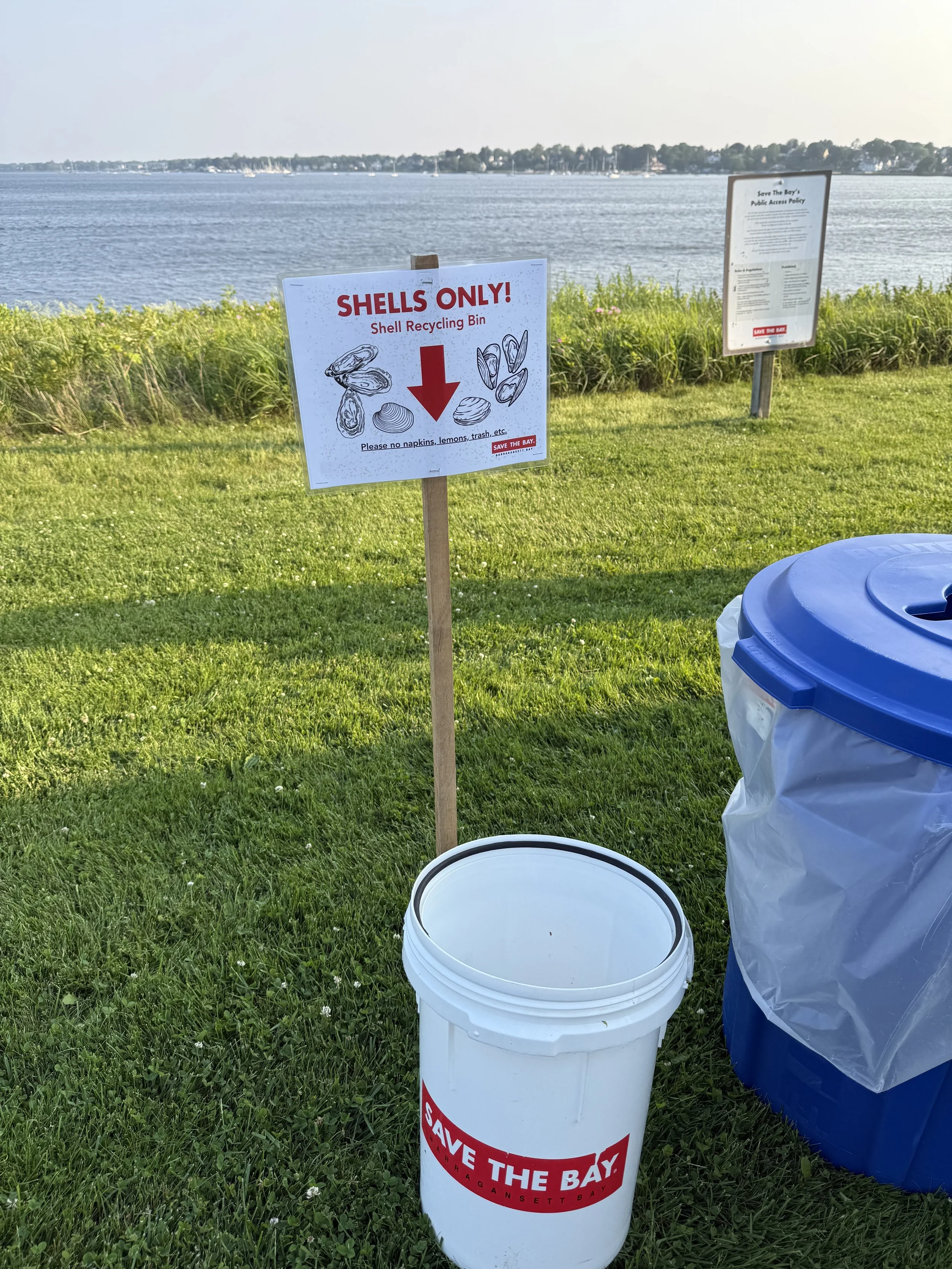
Shell disposal signage for oyster and clam stations
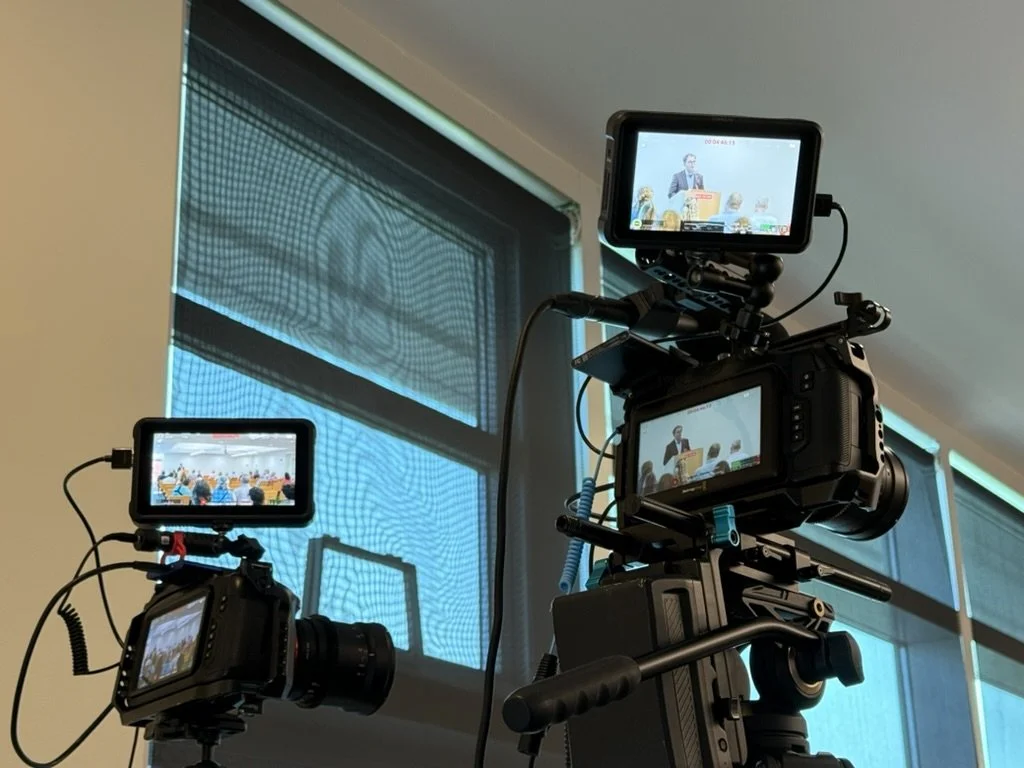
Notice of consent to being on camera signage to inform attendees of media coverage
Event Coverage (Photography & Interviews)
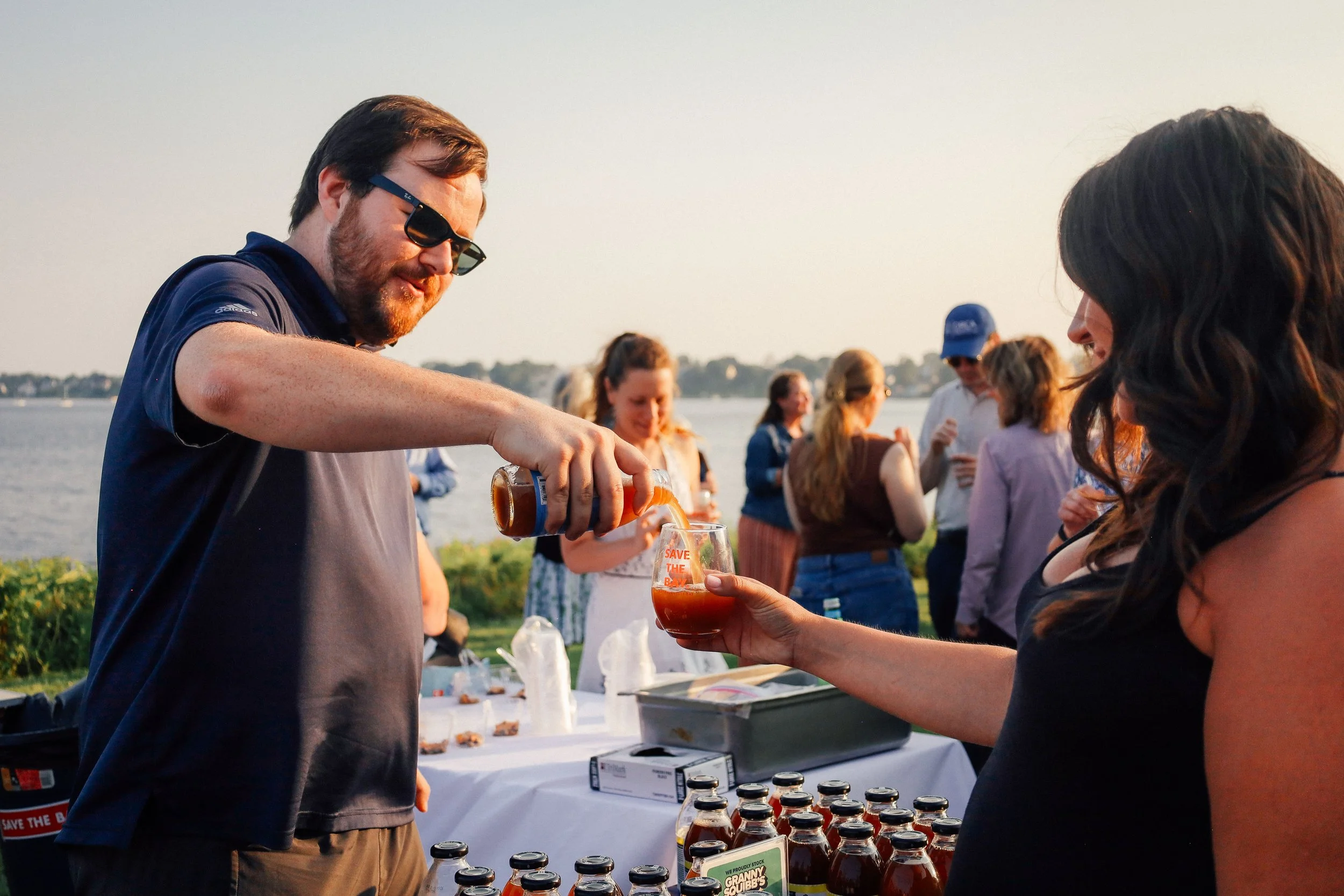
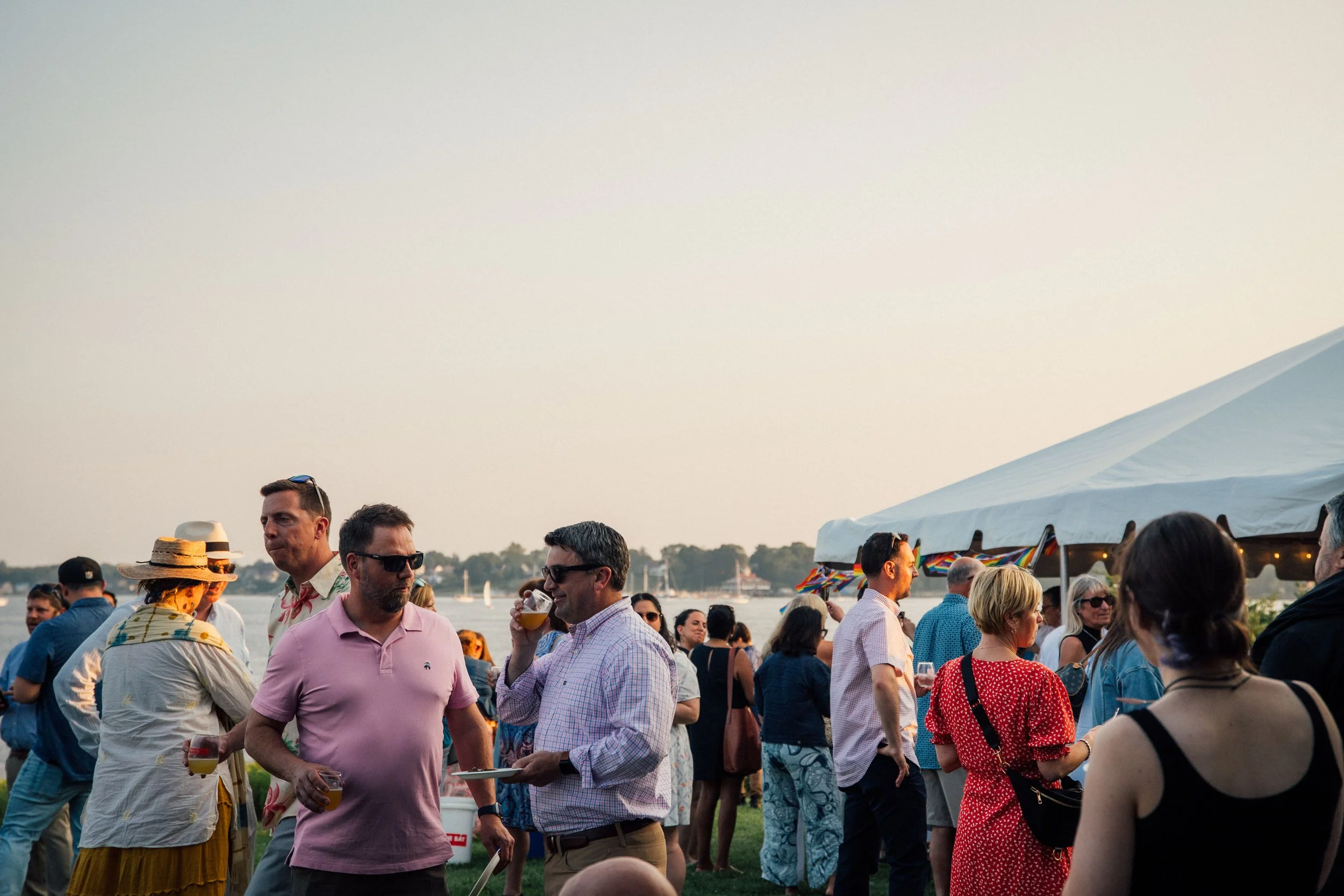
During the event, I focused on capturing a wide range of moments, including vendor interactions, food and drink offerings, and candid guest experiences. I also interviewed local businesses to gather personal insights and perspectives that would later shape the blog narrative.
Photography Direction
I aimed to balance different types of imagery, including:
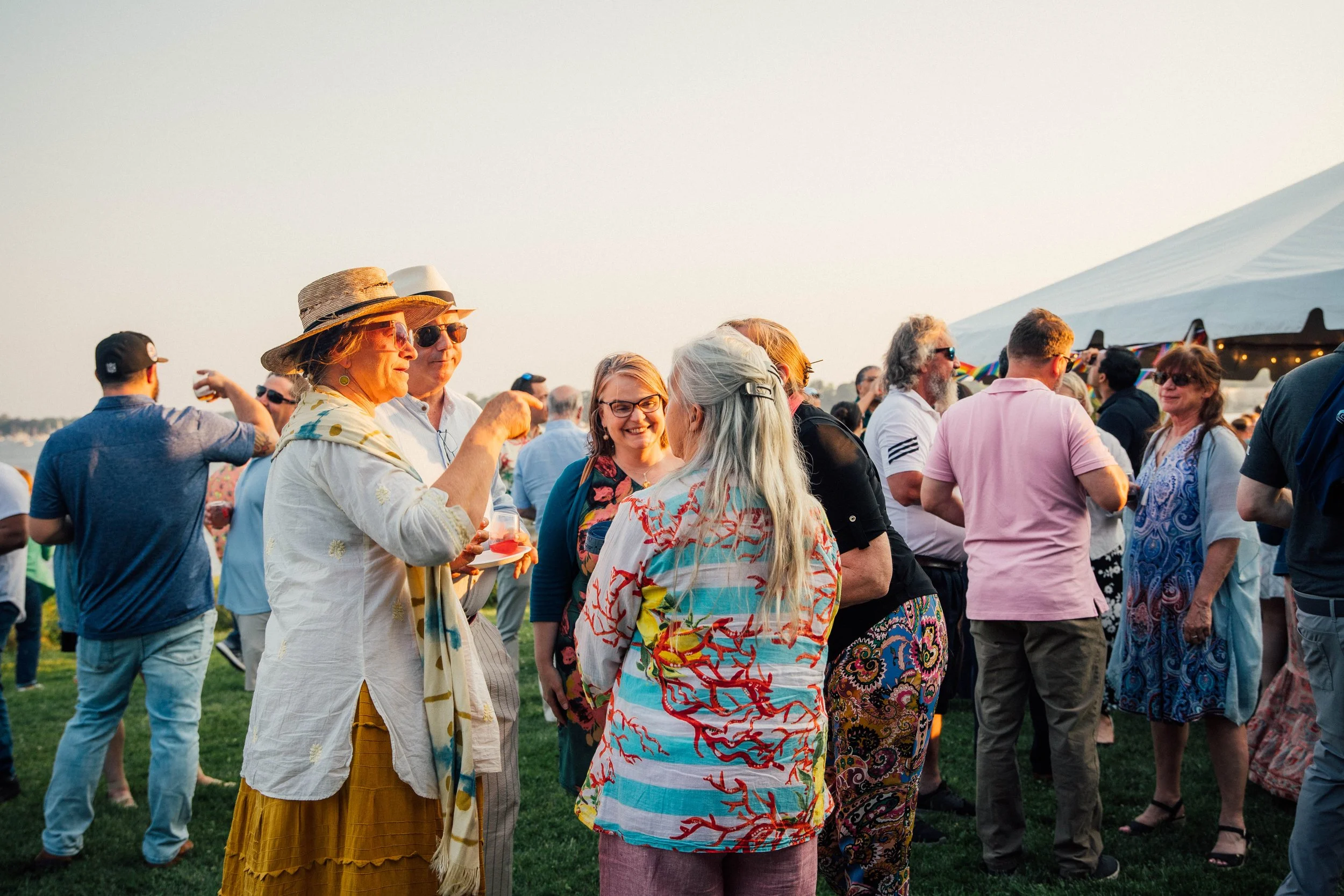
Candid moments between guests
Vendor setups and products
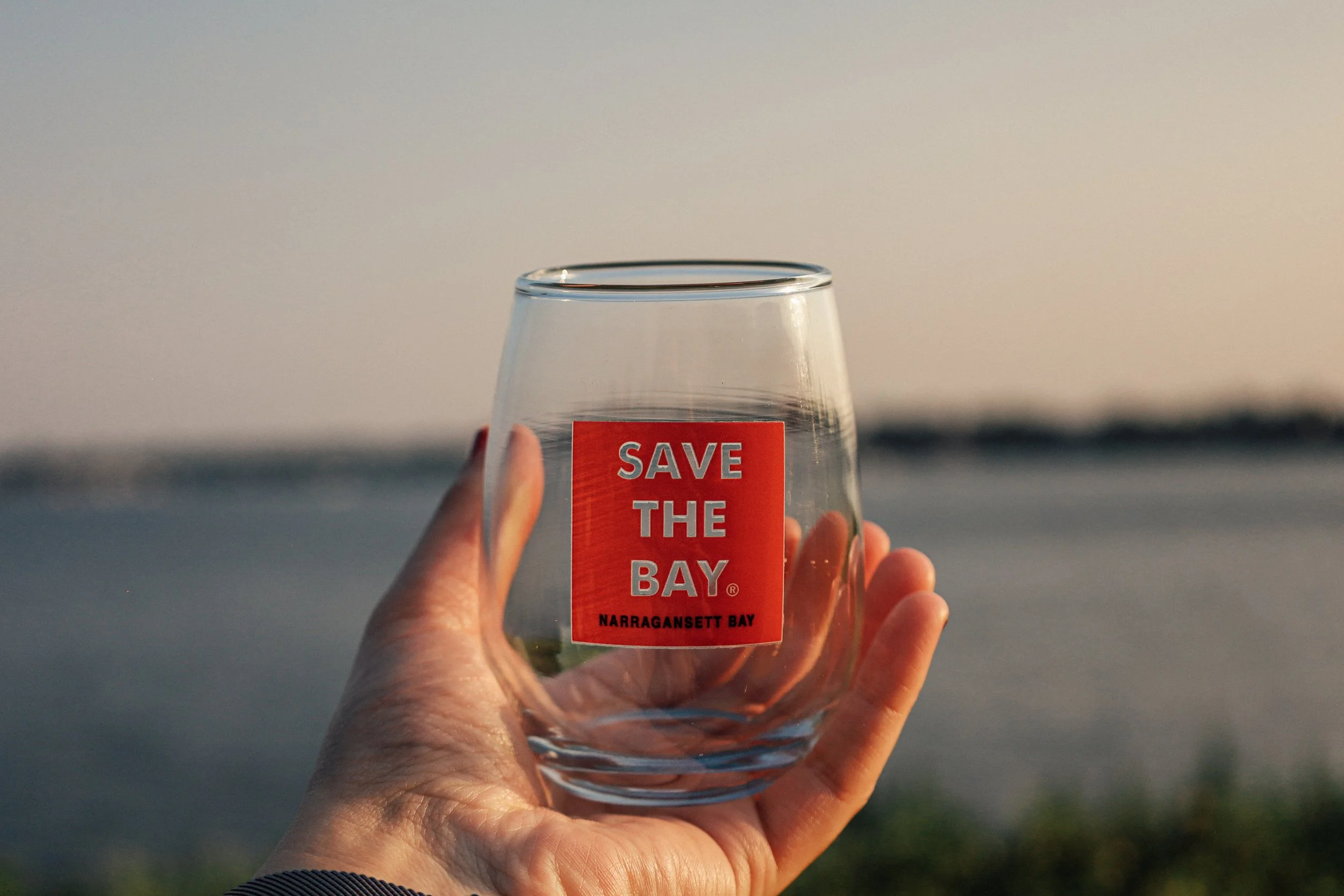
Environmental shots of Narragansett Bay
Event atmosphere and lighting
This ensured the final collection of images could support both storytelling and future promotional use.
Blog Writing & Editing
After the event, I wrote a blog post that framed the experience from a newcomer’s perspective. The goal was to make the event feel welcoming and engaging to readers who may not have attended before. The article highlighted:
The variety of local vendors
The interviews between guests & vendors
The social and community-driven atmosphere
The connection between the event and Save The Bay’s mission
I worked with team members to refine the article through edits and feedback, ensuring it aligned with the organization’s voice.

What I Created
This project resulted in a collection of content that worked together to document and promote the event:
Signage:
Sponsor recognition signage, shell disposal signage, and event photography notices.
Event Photography:
A full set of images capturing the atmosphere, vendors, and guest experience
Vendor Interviews:
Firsthand perspectives from local businesses participating in the event
Editorial Blog Post:
A published article highlighting the event from a newcomer’s perspective
Visual Content for Future Promotion:
Photography and written content used to support future marketing efforts
Results
The final work contributed to both the success of the live event and its continued promotion afterward. The signage helped guide attendees and improve the overall event experience, while the photography and blog content extended the impact beyond the night itself. Together, these elements allowed Save The Bay to:
Create a smoother, more navigable event experience
Showcase the event to future attendees through engaging content
Highlight local businesses and community involvement
Build a stronger archive of visual and written assets
Reflection & Next Steps
This project pushed me to think about design beyond static deliverables and instead focus on how design functions within a real-world environment. Balancing both signage and content creation helped me better understand how physical and digital experiences connect.
One of the biggest takeaways was learning how to design for both immediate use and long-term impact. The signage needed to work in the moment, while the photography and blog needed to extend the life of the event.
If I were to expand on this work in the future, I would explore:
Incorporating short-form video to capture the event atmosphere in motion
Designing a more unified event signage system or visual kit
Creating real-time social media content during the event
Overall, this experience reinforced my interest in designing experiences that combine visual design, storytelling, and real-world interaction.